
![Selling a Property With Foundation Concerns in [market_city]](https://image-cdn.carrot.com/eyJidWNrZXQiOiJwcm9kdWN0aW9uLmNhcnJvdC11cGxvYWRzLm9uY2Fycm90LmNvbSIsImtleSI6InVwbG9hZHMvc2l0ZXMvNTI2MjkvMjAyNi8wNC9TZWxsaW5nLWEtUHJvcGVydHktV2l0aC1Gb3VuZGF0aW9uLUNvbmNlcm5zLmpwZyIsImVkaXRzIjp7InJlc2l6ZSI6eyJ3aWR0aCI6MTE1Mn0sInRvRm9ybWF0Ijoid2VicCIsIndlYnAiOnsicXVhbGl0eSI6NzB9fX0=)

Your foundation has been changing. The crack over your front door tells a story. The floor, which felt level last spring, now has a little incline near the kitchen island.
You are not alone. Texas is ranked second in the nation, with the highest concentration of foundation repair search activity. After buying hundreds of houses across the Lone Star State, I’ve discovered that foundation issues don’t have to be sale breakers. They’re simply another variable in the equation.
Foundation Damage Assessment: Complete Guide for Texas Homeowners
Foundation concerns appear in predictable ways, as a condemned property would exhibit. Doors that stick in summer but close properly in winter. Hairline fissures that widen with each season. Without a prop, windows won’t stay open.
Most homeowners notice cosmetic signs initially. Wall cracks around the door frames. Spaces between baseboards and flooring. Tile that appears in bathroom corners. These surface issues signal bigger systemic changes.
Professional evaluations begin with elevation surveys. Engineers determine how much your foundation has changed from its initial level. Small deviations of less than two inches are rarely structurally significant. Movement over that threshold usually necessitates intervention.
Approximately 90% of foundation work undertaken in Texas is either unnecessary or incorrectly executed because homeowners were influenced by a contractor’s sales pitch rather than an engineering assessment. That’s why independent structural engineers are important. They do not sell repairs. They merely tell you what’s going on underground.
Honestly, most experts will not tell you that foundation problems exist on a scale. Minor settling that has been stabilized will not compromise the safety of your home. Major differential settlement may jeopardize structural integrity. The trick is to identify where your scenario fits.
Texas Foundation Problems: Clay Soil Impact on Home Values
Foundation concerns appear in predictable ways. Doors that stick in summer but close properly in winter. Hairline fissures that widen with each season. Without a prop, windows won’t stay open.
The area including Dallas, Tarrant, Collin, and Denton counties is among the worst, with more than 50% clay concentration. Houston’s gumbo clay provides unique issues. Austin’s limestone bedrock causes pockets of instability. Each region has its own basic identity.
Clay soil behaves like a sponge that has memory issues. It grows when wet, compresses when dry, and never returns to the same position. Dallas soil is one of the most expansive soils, and it can gain or lose up to 75% of its original soil volume, resulting in significant gain and loss of a structure’s foundation.
Property values reflect this fact. Homes with verified foundation difficulties often sell for 10-15% less than comparable properties without problems. But here’s an interesting fact: homes with professionally executed repairs frequently sell at market value. Buyers appreciate transparency and proper documentation.
There are various elements that influence the discount. The severity of the harm. The quality of repair documentation. Local market conditions. Age and type of foundation. In sellers’ markets, foundation issues are less important. In buyer’s markets, they become key negotiating points.
Foundation Settlement Warning Signs Every Texas Seller Should Know
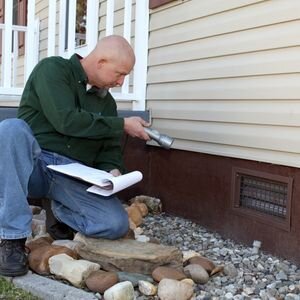
Settlement occurs gradually and then quickly. You adjust to little alterations until one day you notice your house has altered dramatically. When analyzing properties, I check for the following warning indicators.
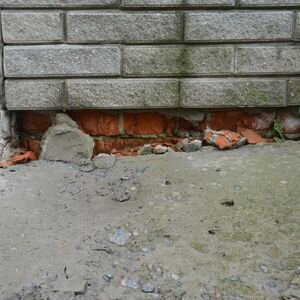
The most obvious indicators are those from the outside. Step cracks in brick veneer correspond to mortar joints in stair-step patterns. Horizontal cracks in concrete block walls indicate significant lateral pressure. The separation of different building elements shows differential mobility.
Windows and doors provide early warning systems. They are exactly fitted when installed, thus any movement in the foundation has an immediate impact on their operation. Doors that do not latch properly. Windows that bind upon opening. Gaps occur around frames where none existed previously.
Interior indications frequently emerge in predictable areas. Cracks appear at the junction of walls and ceilings, particularly in corners. Nail pops in drywall as the framing shifts. Floors that seem bouncy or have obvious deflection. Tile cracks with uniform patterns.
Plumbing problems require immediate attention. Toilets that rock as you sit down. Gaps occur around the tub and shower surrounds. Persistent sewer odors may indicate broken lines beneath slabs. Water pressure varies in different regions of the house.
I’ll be honest with you, most settlements occur within the first few years of construction. Something has changed if your house is more than ten years old and has new settlement signs. Drainage patterns, local building, and extreme weather events can all cause shifting in previously secure foundations.
Foundation Inspection Reports: What Texas Buyers Really Want to See
Buyers expect facts, not surprises. Foundation inspection reports provide documentation that helps buyers feel more confident in their purchases. This is what thorough reports should include.
Elevation surveys show just how far your foundation has deviated from level. Laser levels are used by professional surveyors to measure variances throughout the foundation perimeter. Buyers are usually unconcerned about movements of less than one inch. Movement of more than two inches is cause for concern.
A moisture analysis will tell you what your foundation’s soil is like at the moment. Appropriate moisture levels mean a stable environment. If there is too much moisture, then there is room for more expansion. If there is not enough moisture, it can shrink and settle.
Drainage evaluations identified drainage problems that are causes of foundation problems. Most foundation problems in Texas are caused by poor drainage. Existing drainage patterns should be described, and changes recommended where appropriate.
The repair history record shows the previous work was done correctly. Buyers want to see permits, warranties, and evidence of professional installation. DIY foundation repairs can create liability problems and reduce property values.
Maintenance tips help buyers know what ongoing care they will need. In Texas, foundation repair is not a luxury. Reports should outline strategies for avoiding future problems.
Need to sell fast? Get a fair cash offer and sell your home for cash in Texas today.
Foundation Repair Costs Vs. Selling As-Is in the Texas Real Estate Market
The math isn’t always clear. And, repair costs don’t grow proportionally to increases in property value. Sometimes it costs more to fix problems than add value. Sometimes it makes sense to sell it as is.
Texas’s average foundation repair cost is $3,300 to $7,000, about the same as the national average of $5,165. But that’s just the start. Hidden costs pile up fast.
Basic repair rates exclude permit fees, engineering studies, soil testing, and utility relocation. Thousands more will be spent restoring the landscape, repairing interiors, and providing temporary accommodation during major construction. Projects in general end up costing 25-50% more than originally estimated.
On Dec. 31, 2024, a typical Texas property is projected to have a value of $298,684.56. Foundation repairs on a $300,000 house costing $15,000 may sound reasonable. But if the repairs take three months and you have two mortgage payments, then the total cost increases.
It’s very important to time the market. Housing inventory is at 5.5 months’ supply as of September 2025. That’s up big from 4.7 months a year ago. In buyer’s markets, foundation problems become a major negotiation issue. Less important in seller’s markets.
Cash buyers like We Buy Houses Fast typically pay 70-85% of the corrected value for properties with foundation problems. This discount may seem large, but it includes the cost of repairs, the carrying cost, and the uncertainties in the market. Sometimes that makes the best financial sense.
Disclosure Laws for Foundation Issues When Selling Texas Properties
Texas disclosure regulations require sellers to disclose known foundation concerns. The Seller’s Disclosure Notice particularly inquires about structural difficulties, prior repairs, and ongoing issues. Failure to disclose causes legal liability that goes beyond the closure.
“Known” problems are those you’ve seen, heard about, or had professionally diagnosed. You cannot disregard apparent indications and then claim ignorance. Buyers who uncover hidden foundation issues may claim damages, repair costs, and legal fees.
Professional inspections do not waive disclosure requirements. Even if the buyers do their own inspections, you must disclose any known concerns. Inspectors may miss problems you are aware of. Disclosure protects you against future liability claims.
Documentation increases your legal standing. Keep a record of all foundation-related conversations, repairs, and evaluations. If there are any later disagreements, written evidence will verify that you followed your disclosure requirements.
Partial disclosure leads to greater problems than full disclosure. Don’t bring up some foundation issues while hiding others. Buyers who find further difficulties after closing may allege that you acted in bad faith.
Attorney consultation is recommended for properties with substantial foundation difficulties. Real estate attorneys can analyze your disclosure duties and assist you in structuring transactions to reduce liability risk.
At We Buy Houses Fast, we buy homes in Arlington and other cities, helping homeowners sell quickly and hassle-free.
Pricing Strategies for Texas Homes with Foundation Settlement Issues
Pricing foundation-damaged properties entails striking a balance between honesty and marketability. If you overprice your product, it will sit on the market while buyers pick less problematic alternatives. If you set your price too low, you’ll be losing money.
Repair cost estimates serve as price baselines. If foundation repairs cost $12,000, pricing them at $15,000-20,000 less than market value compensates for buyer difficulty and uncertainty. This method attracts investors and handy buyers who are eager to make repairs.
Price flexibility depends on market conditions. Homes in Texas metro areas are fetching 95% to 98% of the median list price. Even small discounts will do in competitive markets. In lame markets you have to give bigger discounts.
A similar sales study should be done on similar properties with known foundation problems. Homes with compromised foundations just don’t sell like the average comparables. Please review recent sales of properties where structural problems were disclosed.
At any one time, there may be a variety of pricing methods in use. List at market pricing so buyers may miss foundation issues otherwise. Be prepared to negotiate the price based on comments from the inspection and cost estimates for repairs.
Cash buyer offers provide a price reality check. Companies like We Buy Houses Fast can provide quick valuations based on current market conditions. Even if you don’t sell to them, their offers help you set reasonable pricing targets.
Cash Buyers for Houses with Foundation Problems in Texas
Cash buyers target houses that typical buyers shun. They understand the foundation repair procedure, prices, and market realities. They are able to close swiftly because there are no financing or inspection issues.
We Buy Houses Fast is an investment firm that expertly evaluates foundation difficulties. They include repair expenses in their proposals rather than ignoring difficulties. This opens up options for vendors that require speedy closures.
Pricing expectations should align with cash buyer business models. Their offers include wholesale pricing, repair charges, and profit margins.
Speed becomes the key advantage of cash sales. Traditional sales of foundation-damaged properties might take 3–6 months due to repairs, inspections, and financing delays. Cash buyers typically close within two to three weeks.
Many sellers value certainty over pricing. Cash buyers do not require appraisals, inspections, or financing approvals. Closings usually take place on time once they make a purchase commitment.
Looking to sell your property? We deliver a fast, seamless, and fair experience. Contact Us at We Buy Houses Fast for expert assistance.
Foundation Problem Prevention: Maintenance Tips for Current Texas Owners
It is cheaper to prevent than to repair. Understanding proper foundation maintenance allows existing owners to avoid difficulties and sellers to keep property values stable throughout marketing times.
Consistent moisture management is critical for foundation protection. When water is absorbed, expansive soils can expand in volume by 30% or more, putting great pressure on structures like concrete foundations. Consistent soil moisture levels prevent excessive expansion and contraction cycles.
The majority of foundation problems can be avoided with regular drainage system maintenance. Clean gutters, effective downspouts, and adequate grading keep water away from foundations. Poor drainage is the single most common cause of foundation degradation.
Tree management strikes a compromise between curb appeal and foundation protection. Large trees near foundations increase moisture competition and root pressure. Many foundation concerns can be avoided by selecting, placing, and maintaining trees properly.
Seasonal irrigation programs help to keep soil moisture consistent. During dry periods, soaker hoses around foundation perimeters prevent excessive soil contraction. During wet weather, better drainage minimizes oversaturation.
Regular inspections aid in detecting problems before they become costly. Annual foundation checks throughout the spring and fall seasons detect movement early, when solutions are less expensive.
Professional maintenance companies specialize in foundation upkeep. Some businesses provide annual maintenance plans that include moisture monitoring, drainage changes, and minor repairs. These programs are less expensive than large-scale foundation reconstruction.
Frequently Asked Questions
How Difficult Is It to Sell a House with Foundation Problems in Texas?
Selling a foundation-damaged house requires the right approach and realistic expectations. You may need to undercut the market and seek investors or foundation repair contractors. Truthful disclosure and good documentation show buyers what they’re buying.
Are You Required to Disclose Foundation Problems When Selling in Texas?
Texas law compels sellers to disclose foundation issues on the Disclosure Notice. This includes witnessed, professional, or inspection-diagnosed issues. Not disclosing foundation issues can result in legal liabilities after closing, costing you more than honest disclosure.
What Factors Decrease Home Value the Most in Texas?
Foundation issues are major value-killers, lowering sale values by 10-15%. However, intensity, documentation, and local market conditions greatly affect the impact. Outdated electrical systems, roof difficulties, and HVAC concerns also lower value, but foundation problems worry buyers most due to repair complexity and cost.
What’s the Typical Cost Range for Foundation Repairs in Texas?
Most mild foundation repairs in Texas cost $3,300–$7,000, which is close to the national average of $5,165. Costs vary greatly depending on damage severity and repair procedures. Epoxy injection or mudjacking can fix hairline cracks or minor settling for $300 to $800. Complex structural repairs like several piers or whole-house lifting can cost $15,000 to $30,000.
Foundation issues do not have to derail your sales objectives. They’re merely another consideration in your decision-making process. Whether you choose to fix before selling or sell as-is to a cash buyer, the important thing is to understand your alternatives and make an informed decision. Structural issues aren’t the only concern buyers look for. Problems like mold can also impact your sale—learn more in our guide on Can You Sell a House with Mold in TX?
If you want to sell your house as-is and without the trouble of repairs, We Buy Houses Fast can give a no-obligation evaluation of your property. We’ve helped hundreds of Texas homeowners understand foundation concerns and find solutions that work for their individual needs. No pressure, no commitment (just straightforward answers about your alternatives).
Helpful Texas Articles
- Sell Fire-Damaged Property in Texas
- How to Sell Your House During Divorce in Texas
- How To Sell A House During Probate Process In Texas
- Who Pays Closing Costs in Texas
- Selling a House With Foundation Problems in Texas
- How to Sell Your House Without a Realtor in Texas
- Can the Seller Back Out of a Contract in Texas?
- Capital Gains on Sale of Rental Property in Texas
- Selling A House with Mold in Texas
- How to Sell a House in Foreclosure in Texas
- How to Sell a Condemned House in Texas
- Can I Sell My House if Im Behind on Payments
- Should You Remodel Your Kitchen Before Selling Your Home
- Selling Tenant-Occupied Property in Texas