
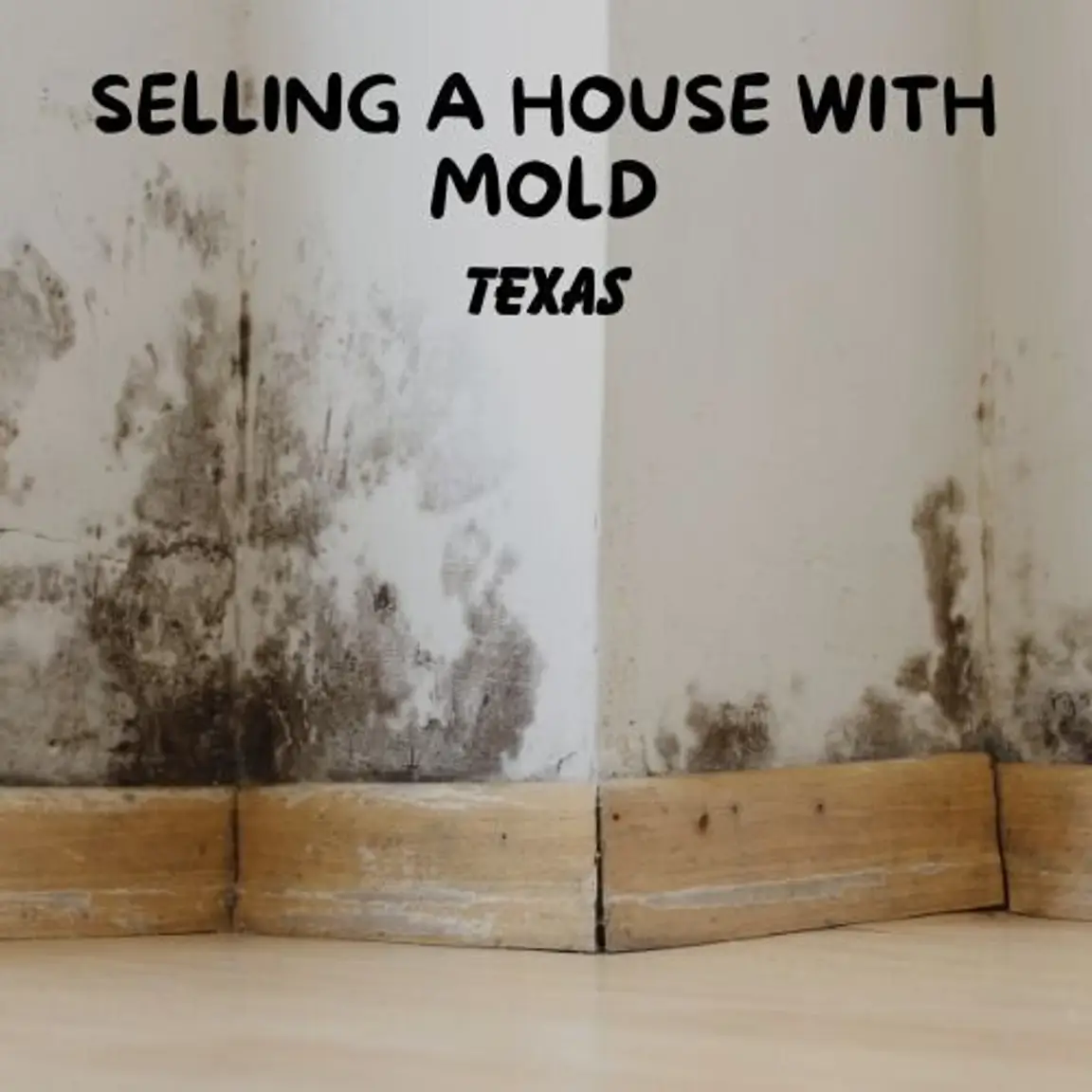

Mold is not the villain it’s made out to be. Yes, it’s a problem. But it’s a solvable one, and it definitely does not mean your home sale is over before it starts. Many Texas homeowners have sold mold-affected properties and walked away with a done deal. What got them there was understanding the rules and knowing their options early. That’s exactly what this article helps you do.
What Does Mold Do to a Texas Home?
Mold does real physical damage to a home, and it does not wait around while you figure out your next move. It gets into drywall, wood framing, and insulation, and quietly breaks those materials down over time. It does not need dramatic conditions to grow either. A slow drip under the kitchen sink or a bathroom with no exhaust fan can be enough to start a mold problem.
Texas is one of the harder states to avoid this in. The heat and humidity along the Gulf Coast create near-perfect conditions for mold to thrive. Houston and Corpus Christi homeowners deal with this more than most.
Inland cities are not off the hook either. In Dallas or El Paso, one plumbing issue or a poorly sealed window can tip the balance just as fast. Moreover, black mold gets the most attention because long-term exposure causes respiratory problems and persistent allergic reactions. Kids and people with existing health conditions feel the effects hardest.
When your home goes on the market, all of this becomes part of the conversation. Buyers will ask, and inspectors will look. Lenders will definitely care. The mold situation in your home will touch every part of the sale.
What Types of Mold Are Most Common in Texas Homes
Texas is basically a mold paradise and not in a good way. The combination of heat, humidity, and frequent storm damage means Texas homes deal with a wider variety of mold than most states.
Here are the ones that show up most often:
- Cladosporium: This shows up on wood surfaces, fabrics, and inside HVAC systems. They look dark green or black. Not the most dangerous, but it will trigger allergies and make buyers uncomfortable.
- Aspergillus: This moves in after water damage and comes in many colors, making it easy for homeowners to mistake it for something else. It loves drywall and insulation, and long-term exposure hits hard for anyone with respiratory issues.
- Penicillium: The fast mover of the group. Give it a water-damaged surface, and it spreads quickly. That musty smell you walk into in some older homes? Often, this one is doing its thing.
- Stachybotrys Chartarum (Black Mold): This is the one with the worst reputation, and it earns it. It needs constant moisture to grow, so finding it usually means there has been a serious ongoing water problem in the home. It is the type most likely to send lenders running and kill a traditional sale before it even gets started.
How Does Mold Affect Property Value
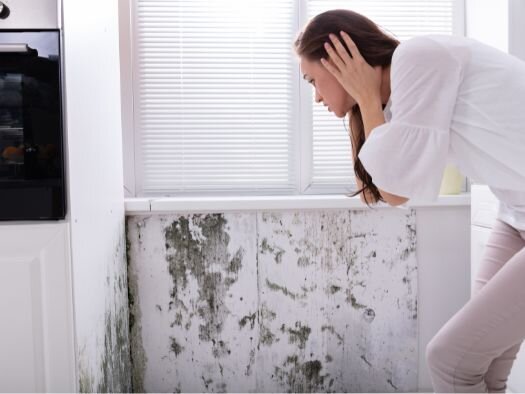
Mold has a direct and measurable impact on what your Texas home is worth. The numbers will not be in your favor if you leave the problem unaddressed. Studies consistently show mold can reduce a property’s value by 10 to 30 percent. In severe cases, that figure climbs even higher.
Appraisers are trained to spot it. When mold shows up in an appraisal report, it gets priced into the valuation. If that number drops below the agreed purchase price, the buyer’s lender may require full remediation before approving the loan. That alone can stall your closing by weeks or kill the deal entirely.
Buyers react to mold before they even get to the numbers. The word alone is enough to make people hesitant. Some walk away without asking a single follow-up question. Others use it as leverage to push your asking price down significantly.
A mold problem that has been properly treated and documented is super different than one that has been sitting ignored for years. Buyers can work with a resolved issue. What they struggle with is uncertainty. The more transparent and informed you are going into the sale, the stronger your position.
Does Mold in a Texas Home Require a Licensed Inspector, or Can You DIY Test It?
Those $10 mold test kits at Home Depot are tempting. They are cheap and fast. They feel like a reasonable first step. The problem is that they almost always come back positive because mold spores exist in virtually every home on the planet. A positive result from a kit tells you absolutely nothing about what kind of mold you have and how much of it there is. It also doesn’t tell you where it is actually coming from.
Texas does not legally require a licensed mold assessor before selling. But if you are dealing with a real suspected problem, a licensed professional is the only one whose test results actually mean something. Texas licenses mold assessors through the Department of State Health Services. These are not people who just walk around sniffing walls. They use thermal imaging cameras and moisture meters. They also use air sampling equipment to find mold that your eyes will never catch.
Right after the assessment, they will hand you a written report that holds up legally. This becomes useful the moment a buyer starts asking hard questions. That report is one of the best investments you can make before listing a mold-affected home.
Texas Disclosure Laws for Selling a House with Mold in Texas
The Texas Property Code requires a Seller’s Disclosure Notice before closing. It asks pointed questions about water damage, leaks, and mold. You fill it out honestly and completely. Note that you are only responsible for disclosing what you actually know. No one expects you to tear down walls looking for hidden problems. But if you have seen it, smelled it, or had someone tell you it’s there, it goes on the form.
What counts as a disclosure?
- Current mold you are aware of
- Past water damage created the right conditions for mold
- Any remediation work the home has had done before
Leaving any of that off is where sellers end up in genuinely bad situations. Buyers who find undisclosed mold after closing can and do take legal action. Honesty here is not just ethical. It’ll keep you protected long after the sale.
Can You Sell a House with Mold in TX Without Fixing It First?
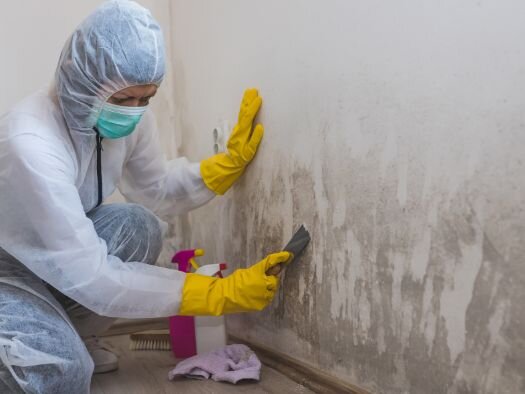
Yes, you can sell a house with mold in Texas without fixing it first; however, there are a few caveats. Texas does not legally require you to remediate before selling. You can just disclose what you know and price the home to reflect its condition. You can then find the right buyer for the situation.
The problem shows up with traditionally financed buyers. Most lenders will not touch a property with active mold, and that means deals collapse at the financing stage even when both parties want to close.
Cash buyers aren’t a problem, though. Since there are no lenders involved, there are no financing contingencies and no last-minute fallouts over a mold inspection report. They have seen it before, and they make offers with that already factored in.
Selling without fixing is also possible. Just make sure your price reflects the home’s condition. If you overprice a mold-affected property, you’ll watch your deal walk out the door.
What Are Your Options When Selling a House with Mold in Texas
You found mold. Now what? Time to make a decision.
Remediate and List on the Open Market
This is the long game. You bring in a licensed mold remediation crew and let them do their thing. You walk away with a clean report and a home that any buyer can purchase with any type of financing.
The upside is that those FHA, VA, and conventional loan buyers are all back on the table. Your negotiating position is stronger, and the mold stops being the centerpiece of every conversation.
The honest downside is cost and time. Remediation is not cheap, and you are paying for it before a single dollar from the sale hits your account. If your savings are thin or your timeline is tight, that cost may be uncomfortable.
Sell As-Is on the Open Market
Some buyers really love a fixer. Investors and flippers are not scared of a mold report. They have dealt with far worse, and they know exactly what remediation costs because they do it all the time.
The reality, though, is that your buyer pool gets a lot smaller. Anyone relying on a mortgage is largely out because lenders have hard rules about active mold. That leaves you fishing in a smaller pond.
You should expect offers that reflect the home’s condition. Buyers who take on problem properties know they have leverage, and they will use it. You have to price the home honestly from the start, so you are not sitting on the market for months watching your listing go stale.
Sell Directly to a Cash Buyer
There’s absolutely nothing wrong with choosing this option.
Cash buyers are not fazed by mold. They buy properties in all kinds of conditions, and they already know what remediation costs in your area, and they build that into the offer. No lender drama or repair contingencies. There’s also no deal falling apart two days before closing.
You will not get top dollar. That is the straight truth. But you also will not spend months dealing with negotiations and financing headaches.
How Much Does Mold Remediation Cost in Texas
A small patch of mold on a bathroom ceiling? That might cost you $500 and an afternoon. The cost of remediating mold that has quietly spread through your walls and gotten into the subfloor is a different conversation with a price tag to match.
Texas actually has a law about this. Any remediation job covering more than 25 contiguous square feet must be performed by a licensed mold remediation contractor. Not a handyman or your cousin who is good at this stuff. Keep that in mind when you are getting quotes.
Here is a rough idea of what remediation costs depend on the affected area.
| Affected Area | Estimated Cost |
| Up to 10 sq ft | $500 to $1,500 |
| 10 to 100 sq ft | $1,500 to $5,000 |
| 100 to 300 sq ft | $5,000 to $10,000 |
| 300 sq ft and above | $10,000 to $30,000+ |
One thing these numbers do not include is fixing whatever caused the mold in the first place. That part is just as important as the remediation itself. If you fix the mold but leave the leaky pipe or the bad ventilation alone, you will be right back here in six months doing this all over again.
Buyers and their inspectors are aware of this, too. Showing documentation that covers both the remediation and the moisture-source fix is much better.
How to Sell a House with Mold Problems in Texas
Most people overthink this part. But selling a mold-affected home is really just a series of straightforward steps.
Step 1: Get a Professional Mold Inspection
Do not skip this one, thinking you already know how bad it is.
Mold is sneaky. What looks like a small patch on the wall could be the tip of a much bigger problem hiding inside the wall cavity or underneath the flooring. As mentioned earlier, a licensed mold inspector has thermal imaging cameras and moisture meters that find what your eyes cannot.
If you know the full picture before you list, there will be no ugly surprises during the buyer’s inspection. You’ll also be in a much stronger position when it comes to pricing and negotiation.
Step 2: Understand Your Disclosure Obligations
Texas is not a state where you can play dumb about mold.
Once you have that inspection report, what it contains becomes your legal responsibility to share. The Seller’s Disclosure Notice asks directly about water damage and mold, and you fill it out completely and honestly. Sellers who try to work around this end up in far worse situations than the mold itself ever caused. Disclose early and clearly and move on.
Step 3: Decide Whether to Remediate or Sell As-Is
This is the fork in the road, and it is worth sitting with for a minute.
Remediation makes sense when the damage is manageable, and your finances can handle the upfront cost. This is also the way to go if you want access to the widest possible pool of buyers. A clean home sells faster and for more money.
Selling your house as-is in Texas makes sense when the damage is extensive, and money is tight. It’s also the best option if you simply do not have the bandwidth for a months-long remediation and listing process. Neither choice is wrong. They just lead to different outcomes.
Step 4: Price the Home to Reflect Its Condition
Overpricing a mold-affected home is one of the most common and costly mistakes sellers make.
Buyers will find out about the mold. Their inspector will make sure of that. If your price does not already account for it, you will spend weeks fielding lowball offers and losing buyers. You’ll watch your listing go stale on the market.
If you price it honestly from day one, the right buyers show up faster.
Step 5: Document Everything
Keep every single piece of paper related to the mold situation.
This includes inspection reports, remediation invoices, contractor details, photos, and communications about the moisture fix. Buyers want proof that the problem was handled properly and not just painted over.
Good documentation closes deals. It builds confidence in buyers who are on the fence, and it protects you legally long after the sale is done.
Step 6: Close the Sale
Traditional buyers will likely order their own mold inspection during due diligence. Having your paperwork ready makes that process painless and keeps things moving.
Cash Home buyers are different. Closings often wrap up in two weeks or less. If you are working with a cash buyer, the finish line is definitely closer.
How to Negotiate With Buyers When Your Home Has Mold
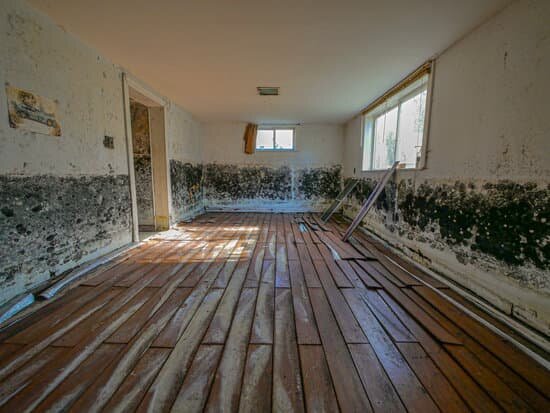
Nobody teaches you how to negotiate a mold sale, and that is exactly why so many sellers end up giving away more than they should.
The ones who struggle most are the ones who got caught off guard. Once the inspector finds the mold, the buyer’s agent will call with a laundry list of demands. Then, you’ll find yourself scrambling to save a deal from falling apart. Terrible spot to be in.
You should definitely disclose early and price honestly from day one. That way, the whole scenario disappears. You are not on defense anymore.
When offers come in, buyers will typically come to you in one of two ways:
- Price Reduction: They want a lower number, and they handle remediation themselves after closing. This is the best option for sellers who just want a straightforward close without a bunch of moving parts.
- Closing Credit: Your sale price stays the same on paper, but the buyer walks away with funds at closing to cover the remediation work. This is useful for keeping your comparable sale numbers intact in the neighborhood. Just know lenders put a ceiling on how big these credits can get in financed deals.
A few things worth knowing before you sit down at that table:
- Get your own remediation quote before negotiations start. Buyers will throw out inflated numbers, hoping you have no idea what the work actually costs.
- Someone asking for both a price cut and a closing credit at the same time is not negotiating in good faith. They are seeing what they can get away with.
- Write your bottom line down before the first offer lands. Mold can make sellers feel responsible enough to give up way more than the situation calls for.
- Cash buyers make this whole section mostly irrelevant. One offer with mold already factored in, and the negotiation is usually a single conversation.
Why Cash Buyers Are Worth Considering for Mold-Affected Homes
Mold and mortgage financing are a genuinely terrible combination.
Lenders have strict property condition requirements. Active mold is usually enough to stop an approval in its tracks. That means that even buyers who love your home and want to make it work often cannot. The deal dies not because of the buyer but because of the bank.
Cash buyers deal with mold differently. They have seen mold, asbestos, foundation issues, and homes that looked more like demolition projects than properties. Mold is not going to send them running.
What makes cash buyers useful in this situation is not just that they will buy the home. It is how they buy it. They assess the condition and factor in remediation costs. They can make a decision quickly.
Yes, the offer is going to be lower than what a pristine home would sell for. But for sellers who need to move quickly or just want the whole thing to be over without a drawn-out ordeal, cash buyers make a lot of sense.
Frequently Asked Questions
Can a buyer back out after discovering mold in Texas?
They can, and a lot of them do. If the contract has an inspection contingency, the buyer can walk away clean during due diligence without losing their earnest money. It stings when it happens, but it is also why upfront disclosure and honest pricing save you from wasting weeks on a deal that was never going to survive the inspection anyway.
Who pays for mold remediation when selling a house in Texas?
Honestly, whoever agrees to. There is no hard rule here. Some sellers handle it before listing. Some offer a closing credit so the buyer deals with it after the fact. Cash buyers just roll the cost into their offer. It is one of those things that gets worked out deal by deal.
Does homeowners’ insurance cover mold remediation in Texas?
It depends on how the mold got there. If it came from a sudden covered event like a burst pipe or storm damage, your policy might help. If it developed slowly from humidity or a leak nobody caught for months, most standard Texas policies will not touch it. You should pull out your policy and read the mold exclusions before you assume you are covered.
Can you sell a house with black mold in Texas?
Yes, black mold does not legally block a sale. What it does do is scare off lenders. Most financing options hit a wall when black mold shows up in an inspection report. Remediation before listing or going straight to a cash buyer are realistically your two cleanest options.
How long does mold remediation take before you can list a home?
Small jobs move fast, sometimes just a day or two. Bigger projects that involve removing drywall, treating structural materials, and waiting for post-remediation testing can stretch to several weeks. For anything moderate, a realistic window is two to four weeks before you are actually ready to list.
Can mold affect the title or closing process in Texas?
It can slow things down, but it rarely stops a closing outright. The bigger issue is on the financing side. If a lender requires remediation before approving the loan, closing gets pushed until that work is done and verified. Title companies generally do not have a problem with mold itself. However, if there are unpaid remediation liens or contractor disputes related to previous mold work on the property, those must be cleared before you can close. If you get ahead of it early, it usually stays manageable.
What if the mold came back after a previous owner had already remediated it?
If you have documentation from a previous remediation, share it. Buyers and their inspectors will want to understand why it came back and whether the moisture source was actually fixed the first time around. Mold returning after remediation almost always means the root cause was never properly addressed. Getting a fresh licensed assessment and fixing that underlying issue before listing is really the only way to handle this one cleanly.
Key Takeaways: Can You Sell a House with Mold in TX?
Mold is a problem, not a life sentence. You should disclose what you know and figure out whether remediation makes financial sense for your situation. If you stall or try to hide something that a buyer’s inspector will find in twenty minutes anyway, you’ll definitely struggle selling. If you want to avoid the entire remediation and listing process, We Buy Houses Fast buys mold-affected Texas homes as-is. No repairs or waiting around. Contact us or give us a call at (214) 624-6404 and see what we can do for you.
Helpful Texas Articles
- Sell Fire-Damaged Property in Texas
- How to Sell Your House During Divorce in Texas
- How To Sell A House During Probate Process In Texas
- Who Pays Closing Costs in Texas
- Selling a House With Foundation Problems in Texas
- How to Sell Your House Without a Realtor in Texas
- Can the Seller Back Out of a Contract in Texas?
- Capital Gains on Sale of Rental Property in Texas
- Selling A House with Mold in Texas
- How to Sell a House in Foreclosure in Texas
- How to Sell a Condemned House in Texas
- Can I Sell My House if Im Behind on Payments
- Should You Remodel Your Kitchen Before Selling Your Home
- Selling Tenant-Occupied Property in Texas