
![Selling a Condemned House in [market_city]](https://image-cdn.carrot.com/eyJidWNrZXQiOiJwcm9kdWN0aW9uLmNhcnJvdC11cGxvYWRzLm9uY2Fycm90LmNvbSIsImtleSI6InVwbG9hZHMvc2l0ZXMvNTI2MjkvMjAyNi8wNS9TZWxsaW5nLWEtQ29uZGVtbmVkLUhvdXNlLnBuZyIsImVkaXRzIjp7InJlc2l6ZSI6eyJ3aWR0aCI6MTE1Mn0sInRvRm9ybWF0Ijoid2VicCIsIndlYnAiOnsicXVhbGl0eSI6NzB9fX0=)
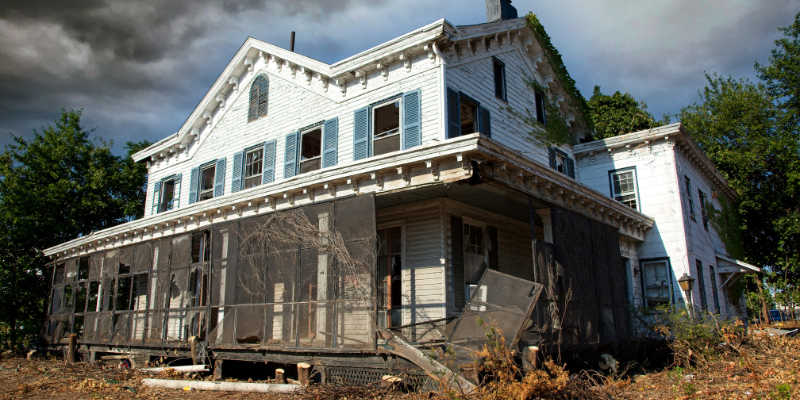
Your property’s been slapped with a condemnation notice. The city’s breathing down your neck about repairs you can’t afford. You’re wondering if you’ll ever see a dime from this mess. Selling a condemned house isn’t like a regular sale, but it’s absolutely doable if you know the right moves. Most agents won’t even touch these properties. Traditional buyers typically avoid condemned properties because they cannot secure a mortgage for uninhabitable homes. That’s where cash buyers and investors come in, and that’s how you can turn this liability into cash in your pocket.
Understanding Texas Laws for Condemned Property Sales
Yes, you can absolutely sell a condemned house legally in Texas. The condemnation doesn’t strip away your ownership rights. The condemnation notice declares the property unsafe to live in, but it doesn’t prevent you from transferring ownership.
Here’s what nobody mentions: Eminent domain is the sovereign’s (or government’s) power to take private property for public use. Condemnation is the procedure by which the taking or appropriation occurs. Your condemned house falls into a different category entirely. The city isn’t taking your property for public use; they’re just saying it’s unsafe to live in.
In 2023, the rate of home price growth in Texas began to decline after the rapid growth of 2021 and 2022. Home prices are expected to change only slightly and perhaps stabilize during 2024 and 2025. However, even in a condemned condition, properties can still have considerable market value. In the Texas markets of Austin, DFW, and Houston, land is often worth more than the existing structure.
We Buy Houses Fast offers fair cash for condemned homes in Texas, allowing owners to sell quickly without repairs, inspections, or delays. Even unsafe properties still have land value and market demand, which we consider in every offer so you can move forward with confidence.
Legal Requirements When Selling Condemned Real Estate in Texas
Texas law requires you to disclose the condemned status and all known defects to the buyer. This isn’t optional. When selling a condemned house in San Antonio, you are legally required to disclose its status and all known defects. As outlined in Texas Property Code § 5.008, failure to do so can result in serious legal repercussions.
I’ve seen sellers try to hide the condemnation. Bad move. Texas law requires full disclosure of property conditions, whether selling to a cash buyer or on the open market. This applies even with a condemned property. The Texas Seller’s Disclosure Notice is a standard form for most residential real estate transactions. It requires sellers to disclose known defects about the property, including structural issues, water damage, electrical problems, and, critically important in your case, any government orders affecting the property.
Smart sellers get ahead of this. Gather your condemnation notice, violation list, and any inspection reports. Transparency speeds up the sale, protects you legally, and helps prevent last-minute transactions cancellations or price renegotiations when buyers uncover issues during due diligence.
Property Disclosure Obligations for Condemned Houses
A condemnation order and all known defects that led to it must be fully disclosed to potential buyers, including structural problems and health hazards such as mold or asbestos. Failure to do so may expose the seller to serious legal consequences and financial liability.
There are many reasons that can result in property condemnation in Texas. Common causes include serious structural issues (e.g., foundation failures, roof collapses, unstable walls); health and safety concerns (e.g., mold, presence of asbestos and lead paint, burned structures); lack of basic utilities (e.g., water, electricity, sewage); and unsafe living conditions (e.g., extreme and unsafe negligence, hoarding, and pest infestations).
Retain all notices and document violations with photos. These should all be provided to the buyer as required sales info and serve the purpose of being fully transparent. Maintaining records helps to minimize the likelihood of issues after the sale.
Title Issues and Liens on Condemned Property in Texas
Condemned properties often come with legal and financial complications that persist even when they are put up for sale. Texas cash buyers often still consider these types of properties, but these issues don’t disappear simply because the structure is no longer usable or has been condemned.
A frequent issue is outstanding unpaid fines from code violations. Local authorities may have already issued their own tickets for hazardous conditions, building code violations, or poor upkeep. Unpaid property taxes also accrue and remain with the property.
The hassles/requirements above must usually be resolved or negotiated before a sale can proceed naturally. While they often add complications and likely reduce a buyer’s interest, they generally do not prevent a sale of the property altogether.
In cases where the city has demolished the property, the financial burden is likely to be even greater. The city usually places a lien on the property for demolition costs and any taxes or fees owed to the city. This lien “sticks” to the land and must be dealt with or taken into account in any future sale of the property.
Municipal Code Compliance Before Property Transfer
Local Regulations of some cities may require permits or inspections before the property can be transferred. Dallas, Houston, San Antonio, and Austin each have their own quirks. In Dallas, you might need a certificate of occupancy waiver. Houston focuses on environmental clearances. San Antonio requires utility disconnection certificates.
Check with your local building department. Some cities expedite the transfer of condemned properties to remove them from their enforcement lists. It is also a good idea to confirm processing timelines early so you can plan the transfer without delays.
Verify if there are any unpaid taxes or liens before transferring ownership of the property. Liens could possibly attach to the title during the transfer. Also, consider hiring, or at least consulting, a title company to help identify any hidden obligations before the closing process.
Documentation Required for Condemned Property Sales
The paperwork is one of the most crucial steps to procedure the sale of the property without unnecessary hassle. Having all the paperwork done avoids unnecessary delays and requests for clarification. A complete, well-structured file is the best way to ensure all parties involved fully understand the condition of the property and its legal issues.
Your basic ownership documents are pretty important to have, especially your deed and title. These show who the legal owner of the property is and validate that the property can be appraised and transferred.
Then you should have the condemnation notice along with the full list of violations, as they show the reasons the property was flagged. Also include any inspection reports, as they provide a professional assessment of the structure’s condition.
Lastly, gather any remaining lien information and utility shut-off notices. Liens can inhibit the transfer of ownership and financial closings; utility notices can affect the property’s condition and assess its current usage.
Determining Fair Market Value for Condemned Real Estate
When a house is condemned, the structure is a liability. The real value is in the land underneath. This is liberating: instead of worrying about repairs, you can focus on what matters: the location and lot size. In many cases, redevelopment potential depends more on zoning and neighborhood demand than on the condition of the existing structure.
Texas’ median home price remained unchanged in October at $335,000. Dallas grew the most (3 percent, from $393,340 to $404,995). Austin followed at 1.8 percent ($430,304 to $437,835). San Antonio rose by 0.3 percent, an increase slightly above $1,000, and currently stands at $306,624. Houston fell 0.1 percent to $337,852. Overall, the market reflects a cooling but still active environment with strong regional variation across major metros.
Land values in Texas metro areas remain strong. Your condemned house sits on land that developers, builders, and investors want. To get a realistic idea of value, research recent sales of vacant lots or tear-down properties in your San Antonio neighborhood. Comparing similar teardown sales within a one-mile radius often gives a more accurate baseline than broad citywide averages.
A condemned house still has value in the land beneath it. Contact us today for a fair cash offer based on your property’s true land potential, not the condition of the structure.
Essential Repairs vs As-is Sales for Condemned Properties
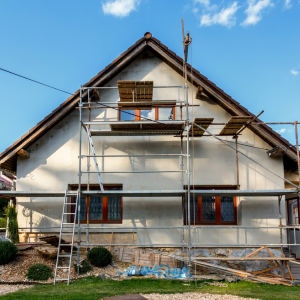
Here’s what most agents won’t tell you: fixing a condemned house is usually a financial disaster. Consider the real cost of “fixing” a condemned house. A San Antonio homeowner I worked with inherited a property that was condemned due to foundation and electrical issues. Repair estimates were over $65,000, but the house’s potential market value was only $55,000.
Remember to factor in demolition costs ($10,000 to $25,000), as any serious buyer will deduct this from their offer. Demolition in South Texas can be anywhere from $5,000 to $10,000 for a 1,400-square-foot house. The total varies depending on whether the structure contains hazardous materials, such as asbestos, and whether it has a concrete foundation. The cost includes the removal of the debris to an appropriate dump site.
Smart sellers skip the repairs. Traditional buyers often shy away from condemned properties, but cash buyers and investors specialize in purchasing homes in any condition. While some homeowners consider projects like kitchen remodeling before selling a home, major renovations rarely make financial sense for a condemned house. Let the buyer handle the headaches. This approach also helps you avoid investing in projects with uncertain returns.
Carrying costs, including taxes, insurance, and city fines, can accumulate while the property is left vacant. Vacant properties can become financially burdensome and unprofitable. These costs can diminish all the expected profits, even before the property can be sold.
Marketing Strategies for Distressed Property Sales
Skip the hassle of real estate agents and gain more control over the sale process. Many agents won’t even list condemned homes because these properties typically don’t qualify for traditional mortgage financing, which limits the pool of potential buyers. As a result, selling through an agent can be more complicated and time-consuming than expected, especially for distressed properties that need significant repairs or special handling.
It’s important to point out that when you decide to work with a real estate agent for the sale of your condemned house, it will come at a cost. In most cases, agents take up to 6% of the sales price as commission. Although they will handle the sale logistics, marketing the house, and negotiations, it will cut into your profit margin even more if the property is already damaged or sells for a lower price.
You must factor in renovation and demolition costs, staging and marketing costs, remaining mortgage balances, and customary closing costs. When all these amounts are combined, the net profit from the sale may decline significantly, leaving a minimal return after the transaction.
At times, selling directly to cash buyers or investors is the more efficient and economical option. Some other alternatives can also lessen high commission costs and minimize the uncertainty of exposing a seriously distressed property to the open market.
Finding Qualified Buyers for Condemned Properties
Instead, most sales involve real estate investors. Investors purchase condemned houses for renovation or redevelopment. These buyers understand the process. They’ve got cash ready and teams to handle the work. This makes transactions for distressed properties smoother and more predictable.
Your best option when selling a condemned property is a cash home buyer or real estate investor who can pay cash right away. This includes working with a cash-for-houses company in Fort Worth and other Texas cities, as well as with broader cash home buyers and investors who specialize in distressed properties. These cash buyers and investors usually move fast, and they’ll give you a fair cash offer just as they would with regular real estate. Most investors and cash home buyers who buy a condemned house have a team they regularly hire to fix houses.
Sellers often skip delays, inspections, and financing issues typical of traditional buyers due to this setup. The transaction usually involves fewer contingencies and a faster closing date, often without the hassle of dealing with an unsafe or expensive-to-maintain property. This setup alleviates the stress often associated with owners wishing to unload problem properties.
Negotiating Sale Terms for Structurally Compromised Properties
Cash buyers usually consider existing houses and teardowns and therefore calculate offers by deducting demolition costs from the land value. This method focuses on what the property will be after the structure is demolished, not on its current value.
In Texas, the average demolition cost ranges from $8,750 to $18,350. The size of the house, its materials, and the site conditions can affect the final cost. In Houston, a house of similar size and materials would cost, on average, about $8,700 to $18,300. Bigger houses and houses with basements cost more. The average cost can also vary based on the contractor and permits.
Demolition costs reduce buyer offers because they must be accounted for before redevelopment. It becomes a bigger issue for buyers if there is hazardous waste or poor site access, which increases costs. If debris removal or utility shut-off is necessary, buyers are likely to reduce their offers.
Your most significant negotiating strength is location and the buyer’s needs. A condemned house in a prime location is highly valued. Examples include houses that are located near the center of a city, within a highly rated school district, or near employment centers.
Inspection Waivers and Buyer Protection Clauses

Cash buyers typically waive formal inspections of condemned properties because they assume the property is in poor or unsafe condition. They usually factor in visible damage, structural issues, and general neglect before making an offer, so a standard inspection adds little new information for them.
However, even if they don’t do a full inspection, buyers usually include clauses in contracts to protect themselves. These clauses include environmental hazards such as asbestos, lead paint, or mold, as well as soil contamination, which can greatly increase renovation costs and make the property legally noncompliant.
Even without a formal inspection, buyers traditionally safeguard themselves through special contract provisions. An example would be stipulations addressing environmental toxins, such as asbestos, lead paint, mold, or soil contamination, all of which are expensive to remediate or noncompliant with the law.
Additional contract provisions involving practicality and costs concern the condition of the property. Examples include utility disconnection or reconnection fees, any existing city violations, and repairs to the building to comply with the city’s safety code and to allow occupancy or resale.
Insurance Considerations for Condemned House Transactions
Whether your homeowner’s insurance helps pay for demolition depends almost entirely on why the house was condemned. Storm damage? Probably covered. Years of neglect? Definitely not. One key factor is whether the insurer classifies the cause as a sudden peril or gradual deterioration. Insurers typically rely heavily on the policy’s “covered peril” definitions when making this determination.
One detail that surprises many homeowners: mortgage payments don’t stop just because a house is condemned. You still owe the monthly payment and property taxes on the land, even if the building is uninhabitable or has already been torn down. Falling behind can quickly lead to default and foreclosure proceedings. This obligation remains because the loan is tied to the property’s land value, not just the structure.
Insurance companies routinely void policies on condemned properties, heightening the pressure to sell before liability problems worsen. This can also complicate your ability to obtain insurance. Depending on the circumstances, you may be forced to use high-risk or specialty insurance coverage.
Closing Process Complications with Condemned Properties
A condemnation notice does not cancel your mortgage or erase your financial responsibility for the property. Even if the home has been declared unsafe or uninhabitable, you are still legally obligated to continue making your mortgage payments until the loan is fully paid off or otherwise resolved. The lender’s agreement is tied to the loan, not the structure’s condition or legal status.
If you decide to sell the property, the sale proceeds are typically used to settle any outstanding debts tied to it. This includes paying off your remaining mortgage balance first, followed by any other liens or obligations attached to the title. Only after those debts are satisfied would you receive any remaining equity, if any remains.
Because condemned properties can be difficult to finance through traditional buyers, selling quickly can often be the most practical solution. Cash buyers can usually purchase these properties in their current condition without requiring repairs, inspections, or lender approval. This can help you move faster toward paying off the loan, avoiding foreclosure proceedings, and minimizing long-term damage to your credit.
In practice, title companies may sometimes be cautious when handling condemned properties due to added legal or documentation complexities. That’s why it helps to work with title companies and buyers who regularly handle distressed or unusual transactions. Experienced professionals are familiar with the process and can help prevent unnecessary delays, making the sale smoother and more efficient overall.
Tax Implications of Selling Condemned Real Estate
When you sell a condemned house in Texas, you should still expect various fees and required payments. Even though the property is condemned, standard closing costs may apply, along with any liens, unpaid utility bills, or code enforcement fines tied to the property. These amounts are usually settled during closing and deducted from the sale proceeds.
Property taxes must also be paid before the sale can be completed. In Texas, taxes continue to accrue on condemned or uninhabitable homes, and any overdue balance must be paid to clear the title. This can significantly reduce your final payout if taxes have built up over time.
Capital gains taxes may still apply if the property has increased in value since you bought it. The Internal Revenue Service treats the sale as a taxable event, meaning you may owe tax on any profit after adjusting for your cost basis and eligible expenses. This applies even if the home is in poor condition or was declared unsafe.
Because condemnation sales can involve disasters, damage, or long-term neglect, it’s usually wise to consult a tax professional. They can help determine which taxes or exemptions apply and whether any relief options are available, helping you avoid unexpected closing costs.
Selling a condemned property in Texas can be challenging, but it is still possible with the right approach. While traditional financing is often unavailable, cash buyers and investors can purchase the property as-is, enabling a faster, more practical sale. By being transparent about the condemnation, clearing liens or taxes when possible, and focusing on the land’s value rather than the damaged structure, you can still turn the property into usable equity. With proper preparation and realistic expectations, a condemned home can be resolved rather than remain a financial burden.
Frequently Asked Questions
Can You Legally Sell a Condemned House?
Texas allows condemned house sales. The condition must be disclosed to buyers. You retain ownership rights even after condemnation, and transferring that ownership is completely legal. The key is finding buyers who understand condemned properties and can purchase with cash since traditional financing isn’t available.
What Happens When a House is Condemned in Texas?
Texas cities and counties handle property condemnation through local building or code enforcement offices. If a property fails inspection or has repeated code violations, homeowners may receive a Notice of Violation requiring repairs within a set timeframe. When a house is condemned, authorities seal it and post a warning sign prohibiting entry. A condemned home can usually only be occupied again after repairs, rehabilitation, and passing official inspections.
How Much is a Condemned House Worth?
As a result, the home typically sells for a reduced price. The best option is often selling as-is to cash buyers in Texas. Value is mainly based on land value minus demolition costs. In Texas metro areas, land value can remain strong even if the structure is not usable. Offers are usually based on nearby vacant lot sales, minus estimated demolition costs.
If you’re dealing with a condemned property in Texas and need to explore your options, contact us at (214) 624-6404 for a no-obligation consultation. At We Buy Houses Fast, we’ve helped hundreds of Texas homeowners turn condemned properties into cash while handling the legal complexities so you can focus on moving forward: no pressure, no obligation, just honest answers about your situation.
Helpful Texas Articles
- Sell Fire-Damaged Property in Texas
- How to Sell Your House During Divorce in Texas
- How To Sell A House During Probate Process In Texas
- Who Pays Closing Costs in Texas
- Selling a House With Foundation Problems in Texas
- How to Sell Your House Without a Realtor in Texas
- Can the Seller Back Out of a Contract in Texas?
- Capital Gains on Sale of Rental Property in Texas
- Selling A House with Mold in Texas
- How to Sell a House in Foreclosure in Texas
- How to Sell a Condemned House in Texas
- Can I Sell My House if Im Behind on Payments
- Should You Remodel Your Kitchen Before Selling Your Home
- Selling Tenant-Occupied Property in Texas