
![Is It Smart to Renovate Your Kitchen Before Selling in [market_city]](https://image-cdn.carrot.com/eyJidWNrZXQiOiJwcm9kdWN0aW9uLmNhcnJvdC11cGxvYWRzLm9uY2Fycm90LmNvbSIsImtleSI6InVwbG9hZHMvc2l0ZXMvNTI2MjkvMjAyNi8wNy9Jcy1JdC1TbWFydC10by1SZW5vdmF0ZS1Zb3VyLUtpdGNoZW4tQmVmb3JlLVNlbGxpbmcucG5nIiwiZWRpdHMiOnsicmVzaXplIjp7IndpZHRoIjoxMTUyfSwidG9Gb3JtYXQiOiJ3ZWJwIiwid2VicCI6eyJxdWFsaXR5Ijo3MH19fQ==)
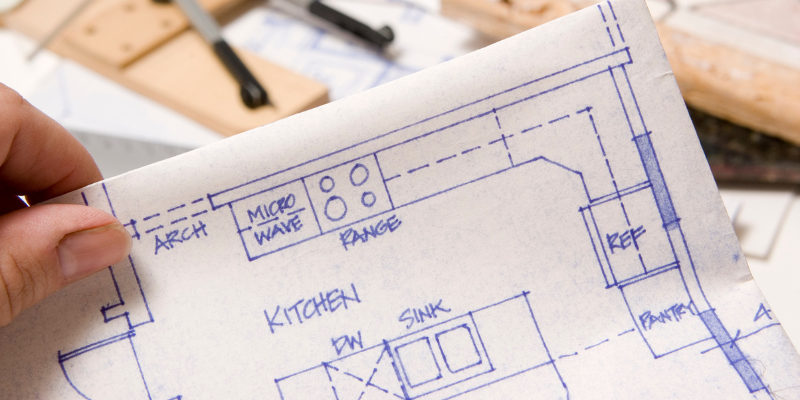
Sit across from me for a minute. You’ve got a house to sell, and the kitchen is looking tired. Maybe the cabinet doors are warped, the countertops are the color of old mustard, or the flooring has seen one too many Thanksgiving dinners. And now someone, maybe a neighbor, maybe a cousin who watches too much HGTV, is telling you that you need to gut the whole thing before you list.
Take a breath. Advice isn’t always wrong, but it isn’t always right either, and the difference can cost you tens of thousands of dollars.
I run a We Buy Houses company, and the kitchen question comes up every single time. Homeowners feel the squeeze when they’re staring at an outdated space and wondering if they’re leaving money on the table. Sometimes they are. Sometimes the remodel itself is the money they’re leaving behind, poured into a project that buyers won’t reimburse dollar-for-dollar. The answer lives in the details of your home, your market, and your timeline.
The Salinas family came to me this past fall with a property full of thirty years of memories and belongings. Four siblings, all wanting a clean exit, and a kitchen that hadn’t seen an update since the early ’90s. They’d gotten three contractor offers for a full renovation. After walking through the house, we talked through the math together. Selling as-is made more financial sense than a $55,000 remodel they’d only partially recoup.
Roughly half of surveyed Realtors® recommend upgrading the kitchen before listing. A slim majority, but not unanimous, and the other half aren’t wrong for their sellers either.
Should You Do a Full Kitchen Remodel Before Selling Your House?
For most homeowners, a complete kitchen gut job before selling is a gamble with money you haven’t yet made.
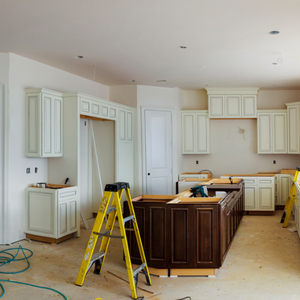
The sellers who actually benefit from a full renovation are the exception: high-end homes in competitive markets where buyers scrutinize every finish, homes where the kitchen is structurally broken, or situations where the seller has cash, time, and a contractor they trust, all three at once. For everyone else, the math rarely works.
The remodel will take weeks, often longer. Your home sits vacant while work gets done. You pay carrying costs and hope the contractor finishes on time. A large share of remodeling projects run over budget, usually because something unexpected turns up behind a wall or under the floor. Then, after all of that, buyers often negotiate anyway.
What actually moves the needle is condition and price, not custom finishes. Dated cabinetry is tolerable to most buyers if the home is priced honestly and the space is clean. What they can’t tolerate is a kitchen that’s dirty, broken, or feels closed off and neglected.
The timeline matters too. Selling in 6 weeks calls for a very different approach than selling in 6 months, and that alone should shape how much you invest in the kitchen before listing.
How Much Value Does a Kitchen Remodel Add to Home Resale Value?
“But the kitchen sells the house,” sellers tell me constantly. Buyers do care about kitchens, but they’re looking for clean, functional, and updated ones. Custom is optional. Often it’s a liability.
Industry cost-versus-value data consistently shows the same pattern: smaller, cosmetic updates recoup close to their full cost, while bigger renovations return a shrinking share of what’s spent. The table below shows the general pattern reported by national remodeling cost surveys.
| Remodel Scope | Typical Cost Range | Typical Resale Recoup |
|---|---|---|
| Minor cosmetic update (paint, hardware, fixtures) | $2,000 to $27,000 | ~90 to 100%+ |
| Midrange remodel (new counters, cabinet refacing, flooring) | $28,000 to $80,000 | ~50 to 60% |
| Upscale renovation (custom cabinetry, high-end appliances) | $100,000+ | ~35 to 40% |
The more you spend, the worse the return gets. Buyers aren’t writing a check for every dollar you put into quartzite countertops and custom cabinetry. They’re offering the market price for the neighborhood.
Location matters as much as scope. Homes in higher-cost, competitive urban markets tend to see stronger returns on kitchen investment than homes in slower or rural markets. Your neighbor’s remodel that “got them $40,000 more” reflects their home and their buyer pool. It won’t necessarily repeat for yours.
On average, a kitchen remodel adds somewhere in the range of $13,000 to $26,000 in resale value, depending on scale and location. If you’re spending $60,000 to add $20,000 in value, the math isn’t there, and that’s usually the point where sellers start weighing a cash home buyer offer against the renovation bill.
Kitchen Remodel ROI: Why Minor Updates Beat Major Renovations
A seller I worked with painted her cabinets a soft white and swapped the faucet and hardware for under $800 total. Her home got three offers in the first week. Her neighbor across the street spent nearly $40,000 on a full renovation and sold it for almost the same price.
Minor, cosmetic kitchen updates consistently rank among the best-returning home improvements, often recouping more than 100% of their cost. Full-layout renovations with expanded islands and commercial-grade appliances rarely come close.
The most common mistake sellers make is confusing what they’d want as a buyer with what their actual buyer pool needs. Over-personalized kitchens, bold tile choices, niche appliances, and luxury finishes all chip away at return. A buyer who doesn’t share your taste will either pass or negotiate the price down to cover redoing what you just did.
Neutral, functional, and clean beats expensive and opinionated every time in a resale situation.
Which Kitchen Updates Are Worth It Before You Sell?
Skipping this step, or getting it wrong, is how sellers end up spending $30,000 and feeling like they got nothing for it.
- Paint and hardware. Fresh paint on cabinet boxes, new hardware, and a modern faucet can transform a kitchen’s look for under $2,000.
- Lighting and a deep clean. Updated lighting and a genuinely thorough clean do more for buyer perception than brand-new cabinetry in a color that divides opinion.
- Flooring. Kitchen flooring tends to return a large share of its cost, making it worth doing if the current floor is cracked, stained, or obviously worn. Quality vinyl plank gets you most of the visual benefit of hardwood at a fraction of the price, and most buyers can’t tell the difference during a showing.
- Countertops. If yours are chipped or badly stained, a mid-grade quartz or butcher block replacement can be worth it. Exotic stone on a modest home is money the appraiser won’t give back.
Skip the pantry reorganization systems, the built-in wine cooler, and anything that requires a buyer to share your exact lifestyle to appreciate it.
How to Price and Sell Your Home with an Outdated Kitchen
Pricing your home accurately from day one matters more than any renovation. Sellers who remodel and then overprice, assuming buyers will pay for the work, tend to end up with price reductions and extended time on the market. A home that sits too long starts to carry a stigma, even after just a week or two.
Get a pre-listing appraisal, or at minimum an honest conversation with a Realtor® who knows your neighborhood. Tell them exactly what you’ve done and what you’re considering, and ask directly: Will this move the needle on price or just on speed of sale? Sometimes the honest answer is speed, which has real value if you’re covering a mortgage on a vacant property.
If the remodel cost doesn’t work in your favor, it’s worth getting a real number for your home’s as-is value before you commit to any renovation spending. We Buy Houses Fast can give you that comparison point, no contractor quotes or showings required, so you’re deciding with actual figures instead of guesswork.
How to Find a Real Estate Agent Who Gives Honest Pricing Advice
Most sellers interview agents based on who suggests the highest listing price. That’s the wrong filter.
An agent who flatters you with an inflated number isn’t doing you a favor. The one you want brings comparable sales data, knows your neighborhood’s actual buyer pool, and tells you plainly what your kitchen’s condition means for your price.
Ask directly: “What should I fix before I list, and what should I leave alone?” A good agent will walk your kitchen, assess the cabinetry, and give you a ranked list based on real return, not renovation enthusiasm. They’ll also give you an honest read on how your kitchen’s condition is likely to factor into buyer interest and time on market, alongside everything else that affects a sale.
The National Association of Realtors® and Realtor.com both offer agent search tools you can filter by local sales history and specialization. Look for agents with actual closed sales in your zip code in the past 12 months, and check reviews for language like “honest about pricing” or “kept us from overspending.”
Selling Your House As-Is: When Speed Matters More Than a Kitchen Remodel

A woman had her home sit for 47 days with no offers after investing in a full kitchen renovation, her agent had encouraged, one that her price point didn’t support. She called us on a Friday, and we spent 45 minutes talking through her situation before anyone mentioned an offer. That’s what a good strategy actually looks like: honest assessment first, offer second.
Daniel Beckett was in a harder spot: behind on his mortgage, with an auction date already on the calendar. A dated kitchen and mismatched appliances weren’t going to be fixed on his timeline, and a traditional listing wasn’t going to close before the auction hit. We walked the property on a Wednesday; he had a closing date before the end of the week. No kitchen updates required.
If your situation involves any urgency, financial pressure, a deadline, no room for weeks of renovation, and 30-plus days on market, selling as-is to a direct buyer is a legitimate, often smarter path. HUD’s homeowner resources and the Consumer Financial Protection Bureau are also worth a look if foreclosure is part of the picture. We see this same trade-off play out across North Texas, whether you need cash home buyers in Dallas or we buy houses in Fort Worth.
Frequently Asked Questions
What is the 30% rule in remodeling?
The rule of thumb is that the total kitchen remodel cost shouldn’t exceed 30% of your home’s current market value, so a $300,000 home would cap spending around $90,000. Sellers should generally aim tighter than that, closer to 10-15% of home value, to avoid overpaying for the market.
What should you not fix before selling?
Skip anything hyper-personalized, luxury-level, or purely cosmetic that buyers can easily change themselves, like paint colors or light fixtures. Over-updating beyond your neighborhood’s price expectations is one of the most common and costly seller mistakes.
Is $30,000 enough for a kitchen remodel?
Most kitchen remodels fall in a broad range, with an average around the high-$20,000s. That budget comfortably covers new countertops, cabinet refacing, updated lighting, and fresh flooring. A solid minor-to-midrange update. It won’t stretch to a full gut renovation with custom cabinetry and high-end appliances, but for pre-sale purposes, it’s usually more than enough.
What kitchen upgrades hurt resale value?
Bold or trendy choices are the main culprits: unusual tile patterns, unconventional cabinet colors, and niche appliances most buyers won’t use. Over-customization signals to buyers that they’ll need to undo your work, which costs them time and money. Matching the renovation to your home’s actual price point matters as much as the work itself.
If you want to talk through your options without any pressure, we’re here. Contact us and let’s have an honest conversation about what makes sense for your home, your kitchen, and your timeline. No obligation, no sales pitch.
Helpful Texas Articles
- Sell Fire-Damaged Property in Texas
- How to Sell Your House During Divorce in Texas
- How To Sell A House During Probate Process In Texas
- Who Pays Closing Costs in Texas
- Selling a House With Foundation Problems in Texas
- How to Sell Your House Without a Realtor in Texas
- Can the Seller Back Out of a Contract in Texas?
- Capital Gains on Sale of Rental Property in Texas
- Selling A House with Mold in Texas
- How to Sell a House in Foreclosure in Texas
- How to Sell a Condemned House in Texas
- Can I Sell My House if Im Behind on Payments
- Should You Remodel Your Kitchen Before Selling Your Home
- Selling Tenant-Occupied Property in Texas